paloma (a16z)
Guiding Paloma’s transition to a paid platform through value proposition definition.
00

problem space + context
Paloma, an Andreessen Horowitz-backed startup, is designed for individuals seeking to find their person and offering a unique and intentional user experience. While its value is clear, the team aims to refine how they communicate this value, transition to a paid model, and identify the features users are willing to invest in. Paloma needs to clarify which marketing approaches, pricing structures, and paid features will drive engagement and long-term sustainability. This project addresses that challenge by testing user preferences and running data-driven pricing experiments to determine a viable path forward.
solution
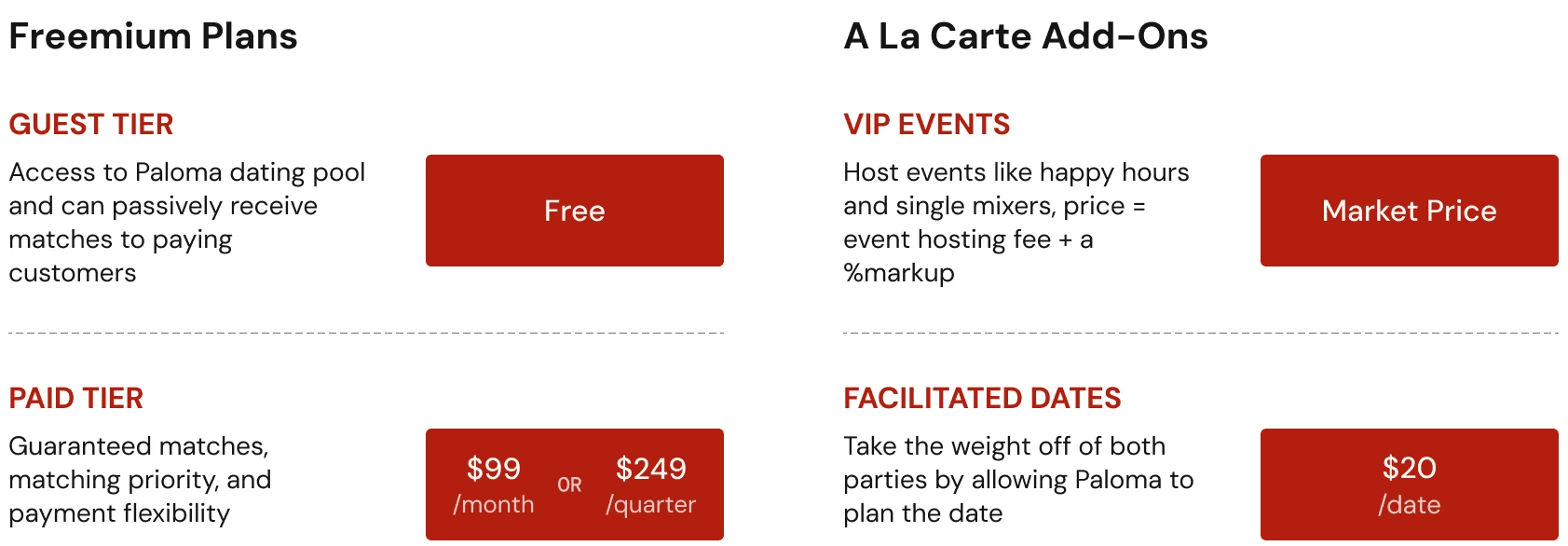
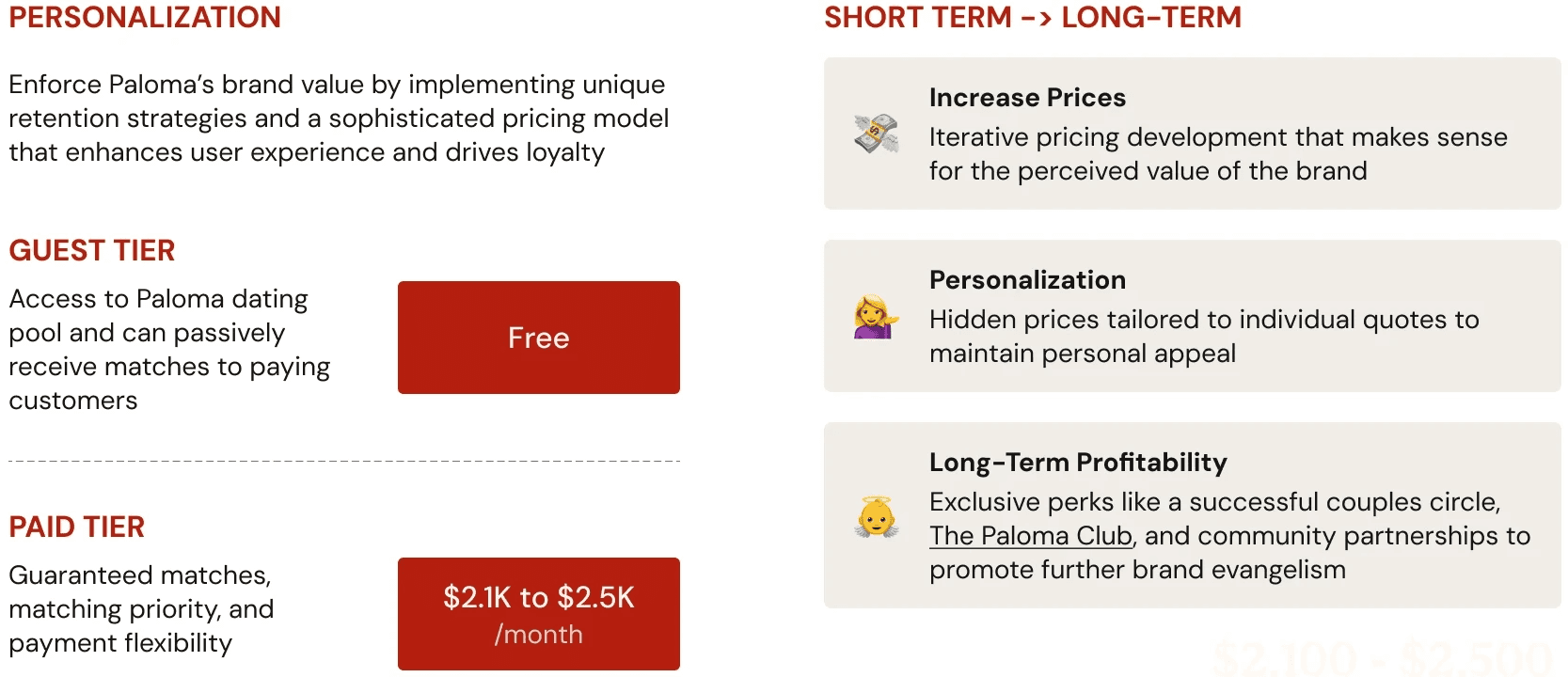
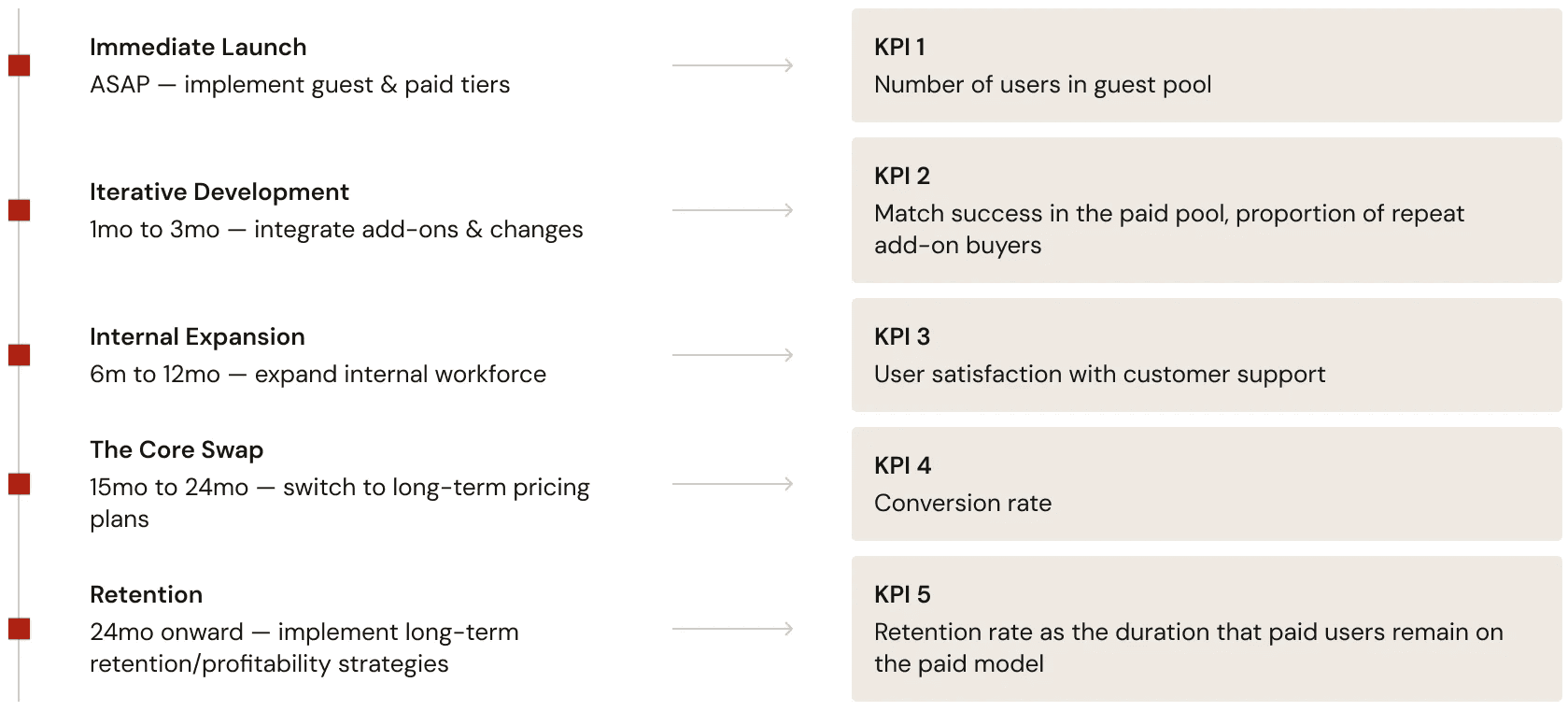
After intense research and interviews, we identified 6 different pricing strategies and plans for Paloma. Along with that, we created a full implementation timeline, outlining when Paloma should implement our short-term strategies and long-term strategies. Now, our ideas are being pushed forward for the next phase of development. Keep reading to learn more about this project!
Guiding Question
How can Paloma transition to a paid model without alienating it's current user base?
We answered this question by conducting thorough market research, an intense competitor analysis, synthesis, analysis, and finally, delivering strategy recommendations.
Paloma Analysis
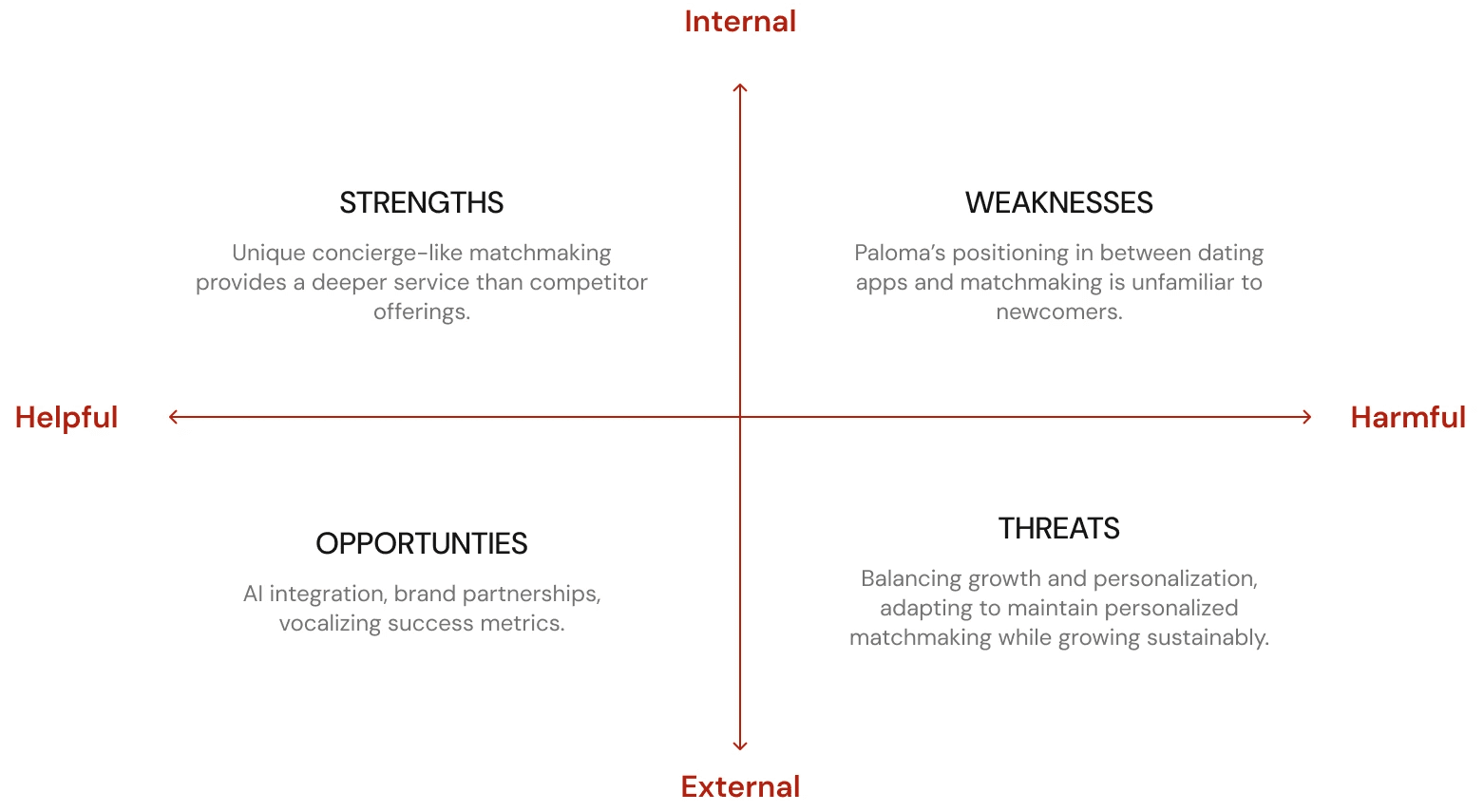
We started this process by conducting an initial SWOT analysis on Paloma. This gave us a basic understanding of where Paloma stood in the current market.
Industry Analysis
Consumers noted feeling…
😣 Swiping Fatigue: 78% feels burnt out. 46% had negative experiences, 66% of women had unwanted interactions, and 52% came across scams.
🥰 True Love: 44% are on dating platforms for long-term partner, and 42% say online dating made searching for a long-term partner easier.
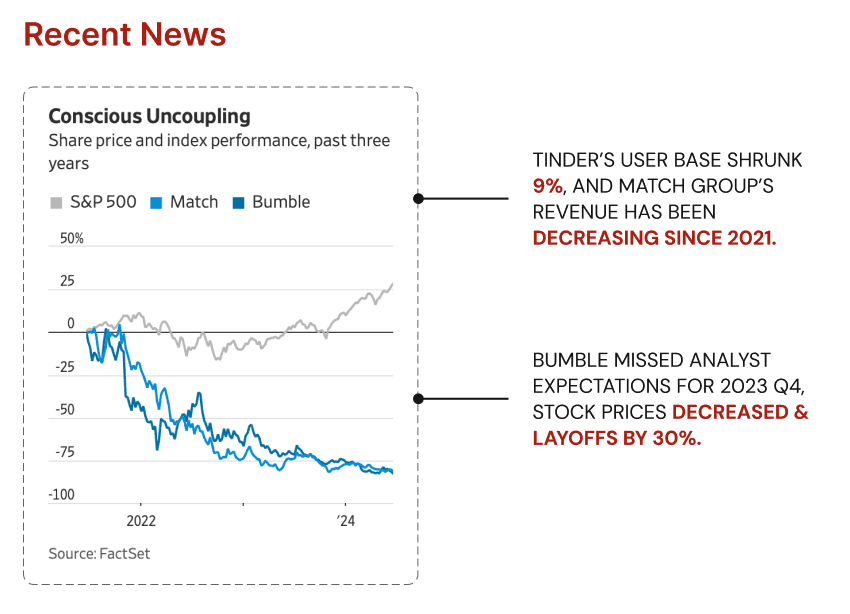
The industry is growing, but with an emphasis on finding true love and branching to new matching methods.
Competitor Analysis
Working in such a niche market, it was important for us to conduct very thorough research here. We analyzed matchmaking and dating platforms and grouped them into the following categories.
On the Horizon: showcases startups that bring fresh, innovative features to modern matchmaking
Legacies: platforms that have been in the industry for a notable amount of time — these apps are considered “Legacy” because they played key roles in sculpting the online dating scene.
Matchmaking: the most orthodox facilitated dating service in the industry — primarily, it focuses on human intuition, relationship expertise, and tailored introductions.

Our research helped us understand the differing motivations behind platforms like Keeper.ai, an AI-driven “soulmate” matchmaking service, versus apps like Hinge, which are intentionally designed to be deleted. I also had the opportunity to speak with several C-suite executives at these companies to gain deeper insight into the rationale behind their pricing models and how those decisions shape the platforms themselves.
Insights Revealed
Elevating Matchmaking Through Expertise: With many users seeking more meaningful dating experiences, companies leverage coaching to cater towards devoted individuals.
Higher Curation, Higher Prices: As tailored service, matchmaking boasts expensive prices, which leads to a much more elusive user pool.
User Research & Interviews
What are people looking for?
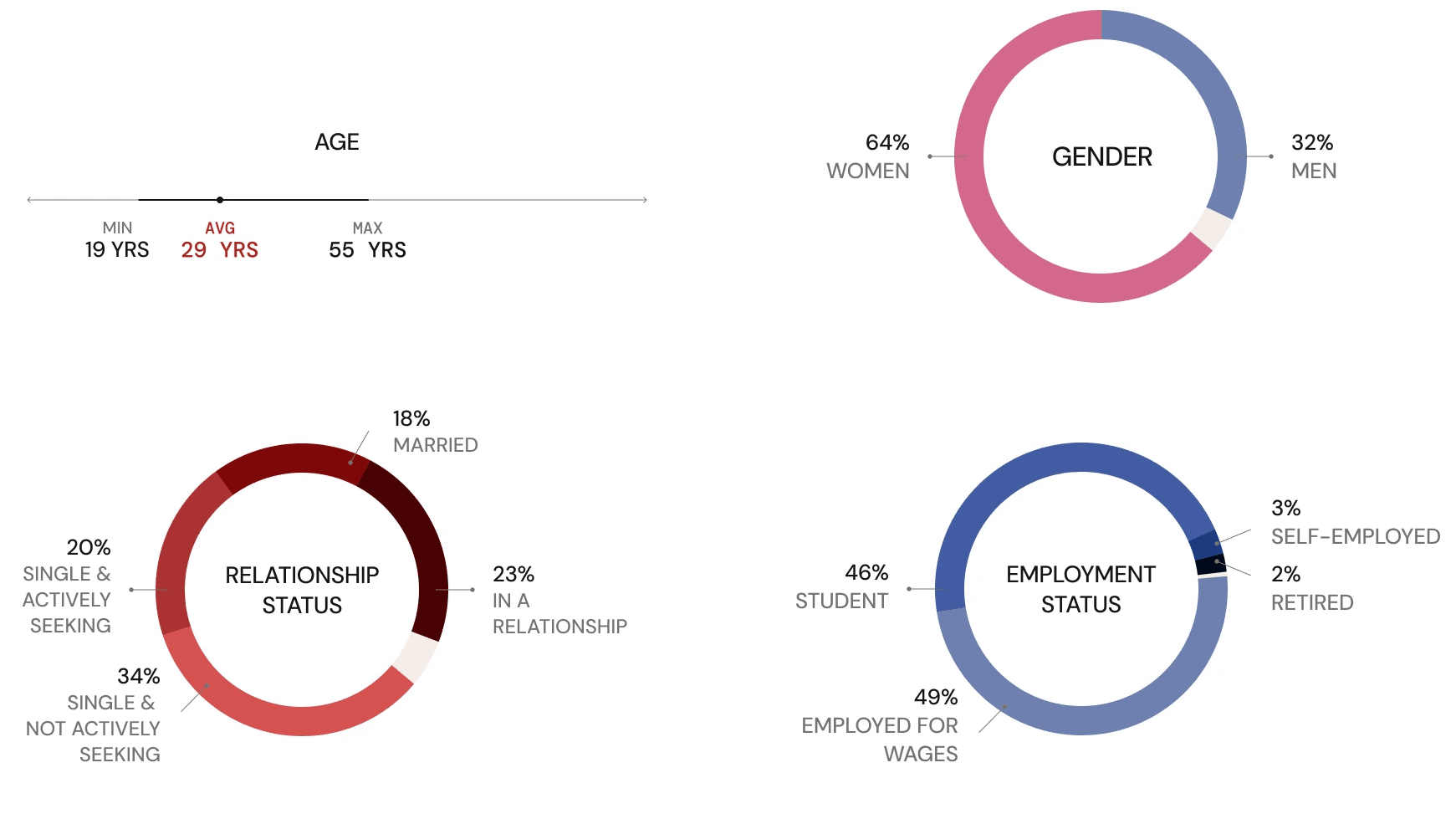
Our targeted demographic was 18-24 year olds, working in metropolitan areas, single and seeking partners. We found that users value consistently updated profiles, moderate pricing, and guarantees of success. Additionally, men are more willing to pay for premium features, while women are less inclined.
Pricing Strategy Tenets
🚪 Lowered Entry Point: Freemiums offer a free core product experience to demonstrate value and drive upgrades.
💎 Strong Value Proposition: Showcase unique features to build brand equity and increase willingness to pay.
⚡️ Success Guarantee & Speed: Deliver consistent matching and convey tangibility through proven success stories.
Survey Blueprint
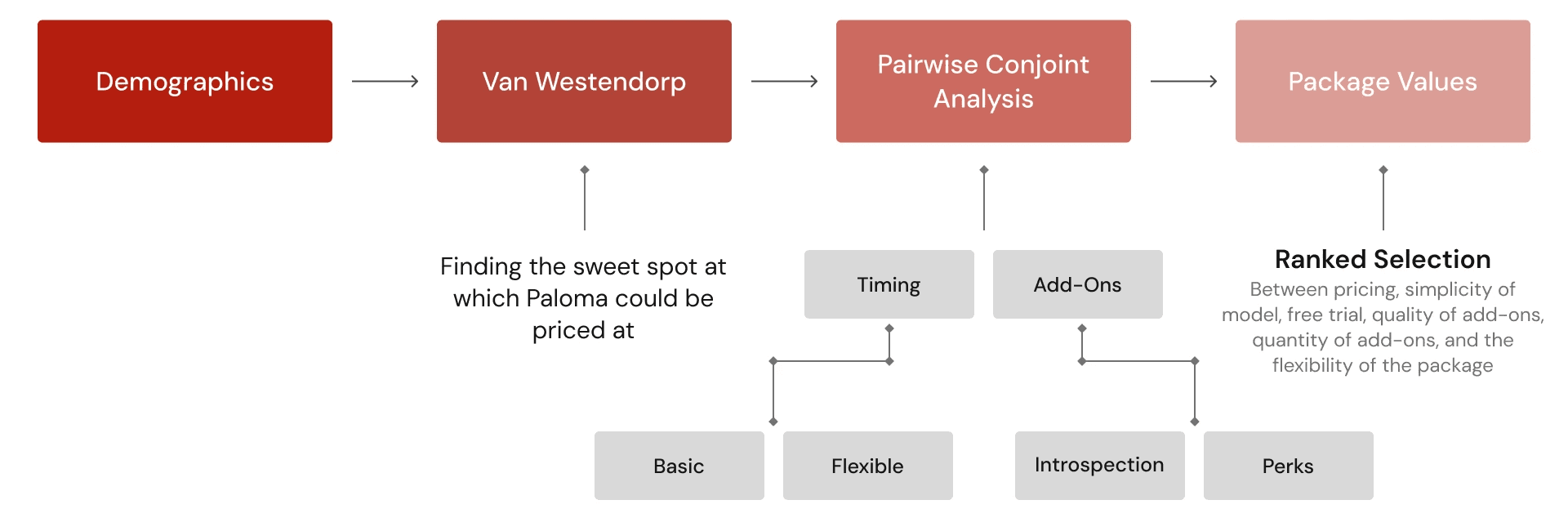
Demographics
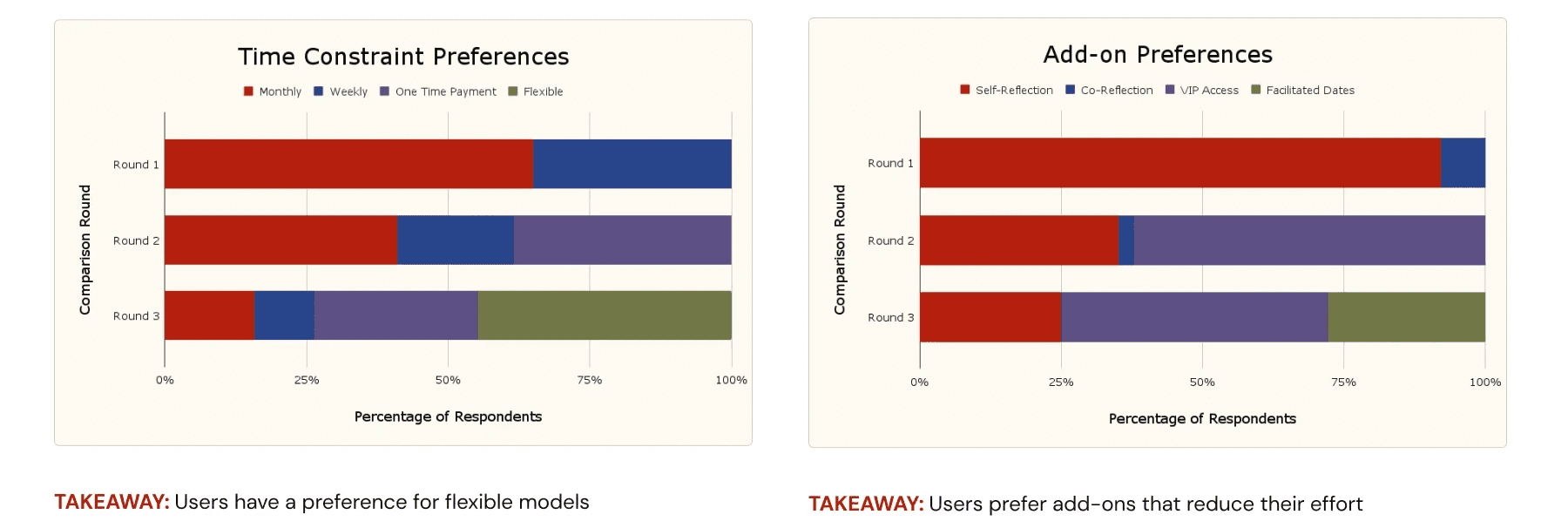
Strategy Conclusions
Time Constraint: Users consistently emphasized the need for adaptable pricing options that fit their changing preferences.
Add-Ons: Users showed a clear desire for add-ons that simplify their experience and enhance exclusivity.
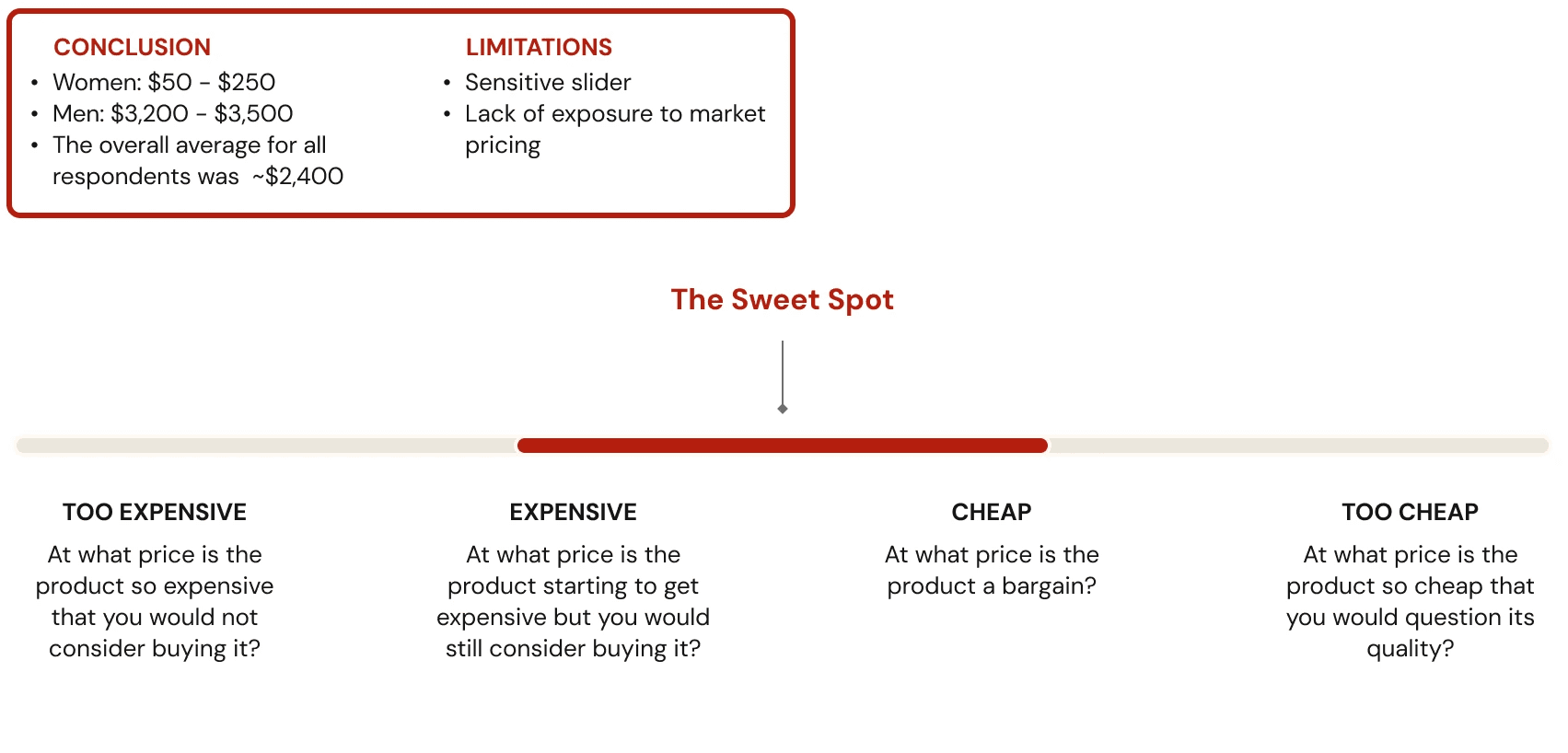
Van Westendorp Pricing Test
Four Key Questions
Too Expensive: At what price is the product so expensive that you would not consider buying it?
Too Cheap: At what price is the product so cheap that you would question its quality?
Expensive: At what price is the product starting to get expensive but you would still consider buying it?
Cheap: At what price is the product a bargain?
Solutions —
The process of transitioning a company from free to paid is incredibly tedious. To combat this, we created short-term and long-term strategies. Our strategies incorporate value-based pricing - leveraging price to convey the value of a product/service by determining price point based on consumer perception of the product.
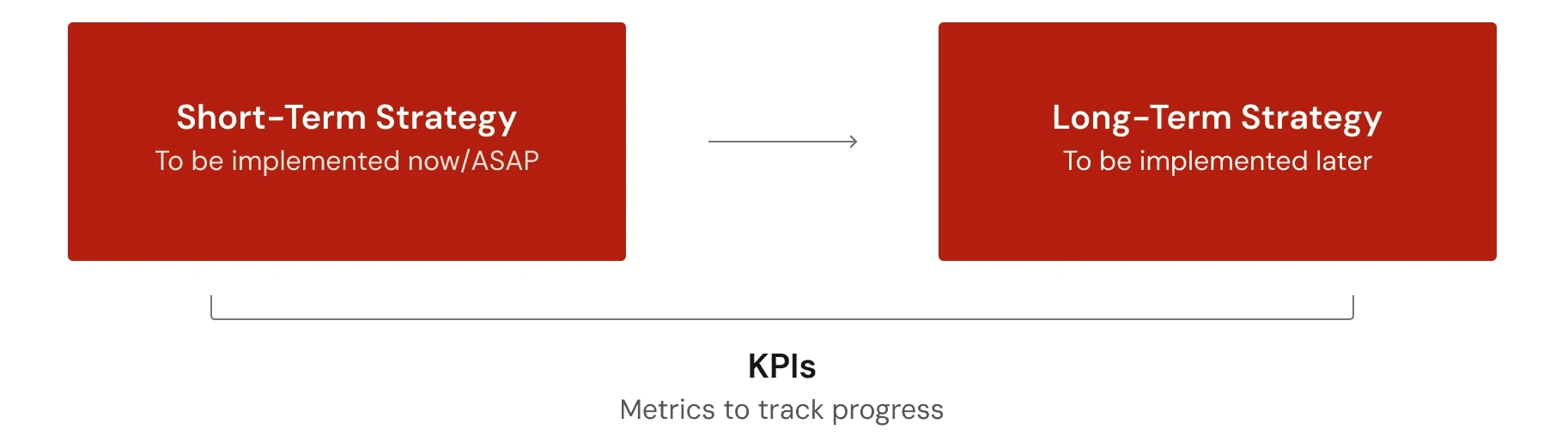
Short-Term Strategies
Long-Term Strategy
Implementation Timeline
What I Learned
Working in Unfamiliar Markets: This project pushed me into a highly niche yet incredibly fascinating market that I had never explored before — the matchmaking and dating scene. Working within an unfamiliar space challenged me to quickly adapt, ask better questions, and rethink how I applied my existing skills. Rather than relying on assumptions, I learned how to translate foundational UX and strategy principles into a completely different context, which strengthened my ability to be flexible and intentional.
Stepping Into the Role of a User: By fully immersing myself in the product and using it as a real user, I was able to identify direct pain points, friction points, and unmet needs that informed more intentional and user-driven design decisions.
Data Without Narrative Is Just Numbers: Early iterations surfaced engagement metrics and usage data, but users still struggled to understand what the platform's value proposition was. Simply presenting data wasn’t enough, it needed context. Through this project, I learned how to design narrative into the experience, reframing raw data into meaningful insights that clearly communicated value.
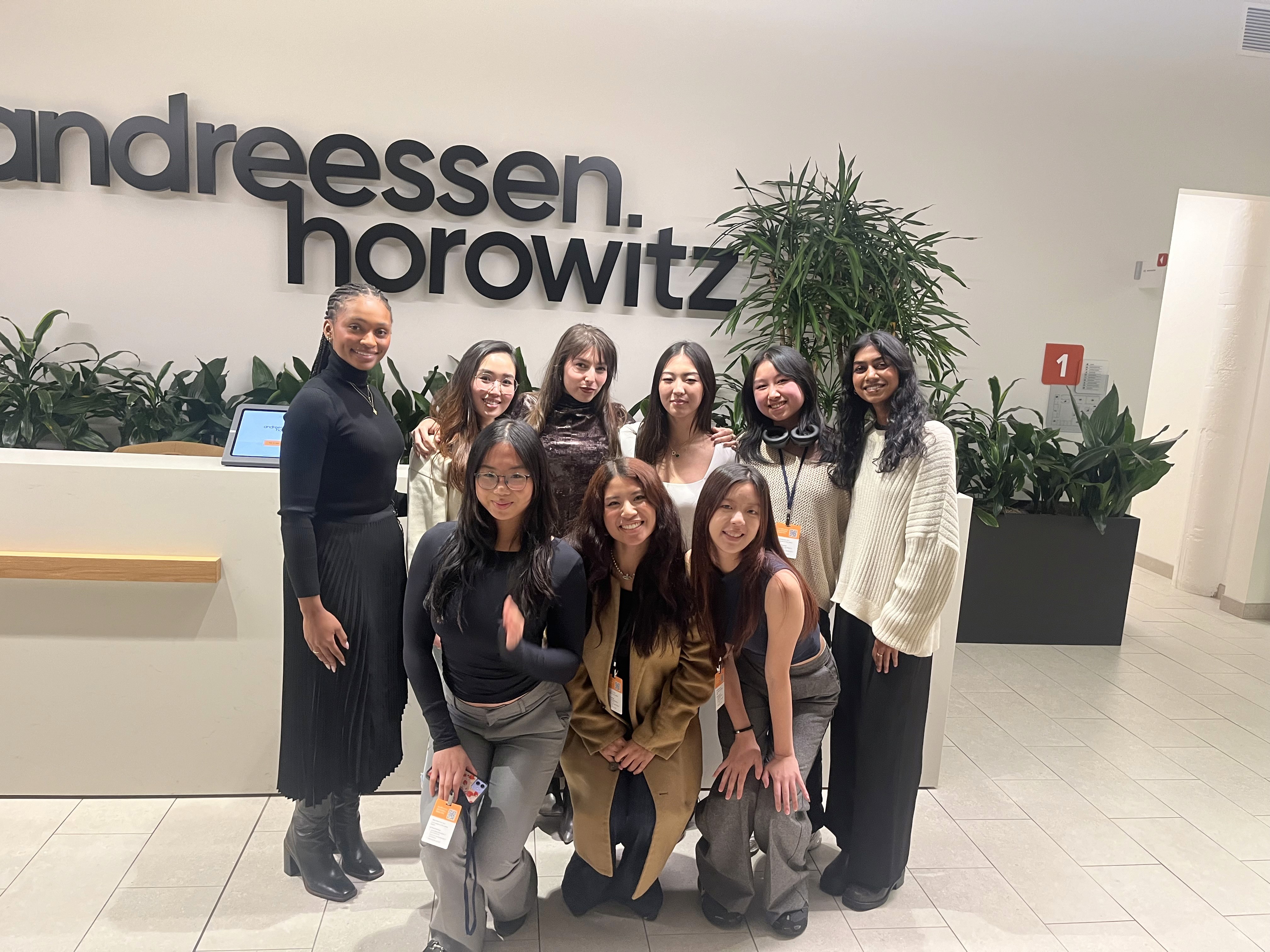
Our team meeting the founders of Paloma at the a16z HQ in SF!
Thanks for reading! Want to learn more about this project? Reach out via email (krisha.prabakaran@berkeley.edu) or LinkedIn, and we can find some time to chat!
year
Sept - Dec 2024
timeframe
10 Weeks
tools
Figma
category
Product Development